Why Slow Craft Matters
When you purchase a handcrafted item, you're not just buying a product; you're investing in a person's livelihood and preserving a cultural heritage. Fast manufacturing relies on uniformity and speed, often at the cost of the environment and fair labor. Slow craft, by contrast, is inherently sustainable. It uses local materials, natural dyes, and human energy. The slight variations in a handwoven rug or a hand-painted vase aren't flaws but the signature of the maker.
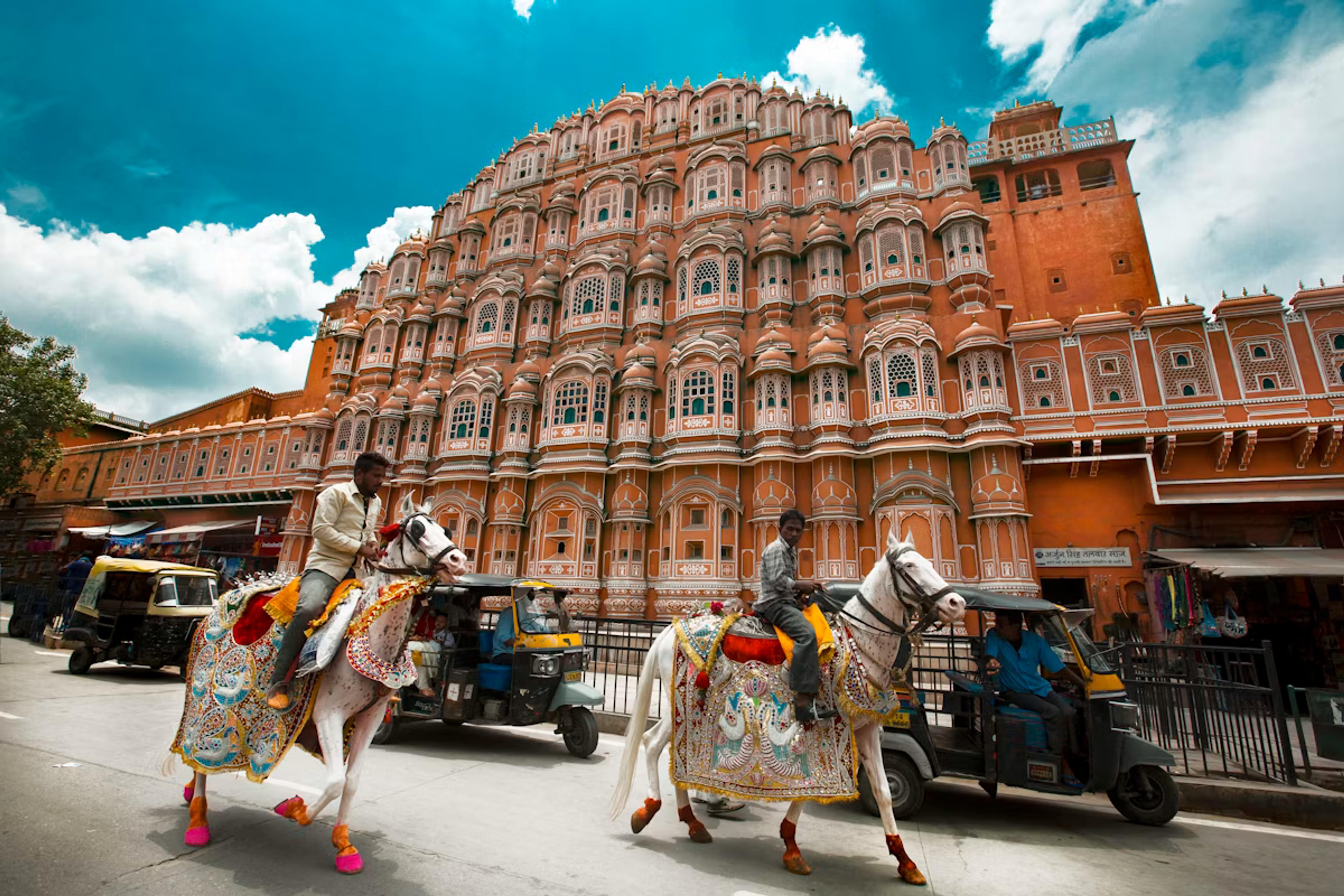
There are a handful of traditional techniques that were passed down through generations and are still carried on, although their demand is lower due to the rise of technology and mass produced products, preserving their craftsmanship is like preserving an art form and a labor of love from an entirely different era.
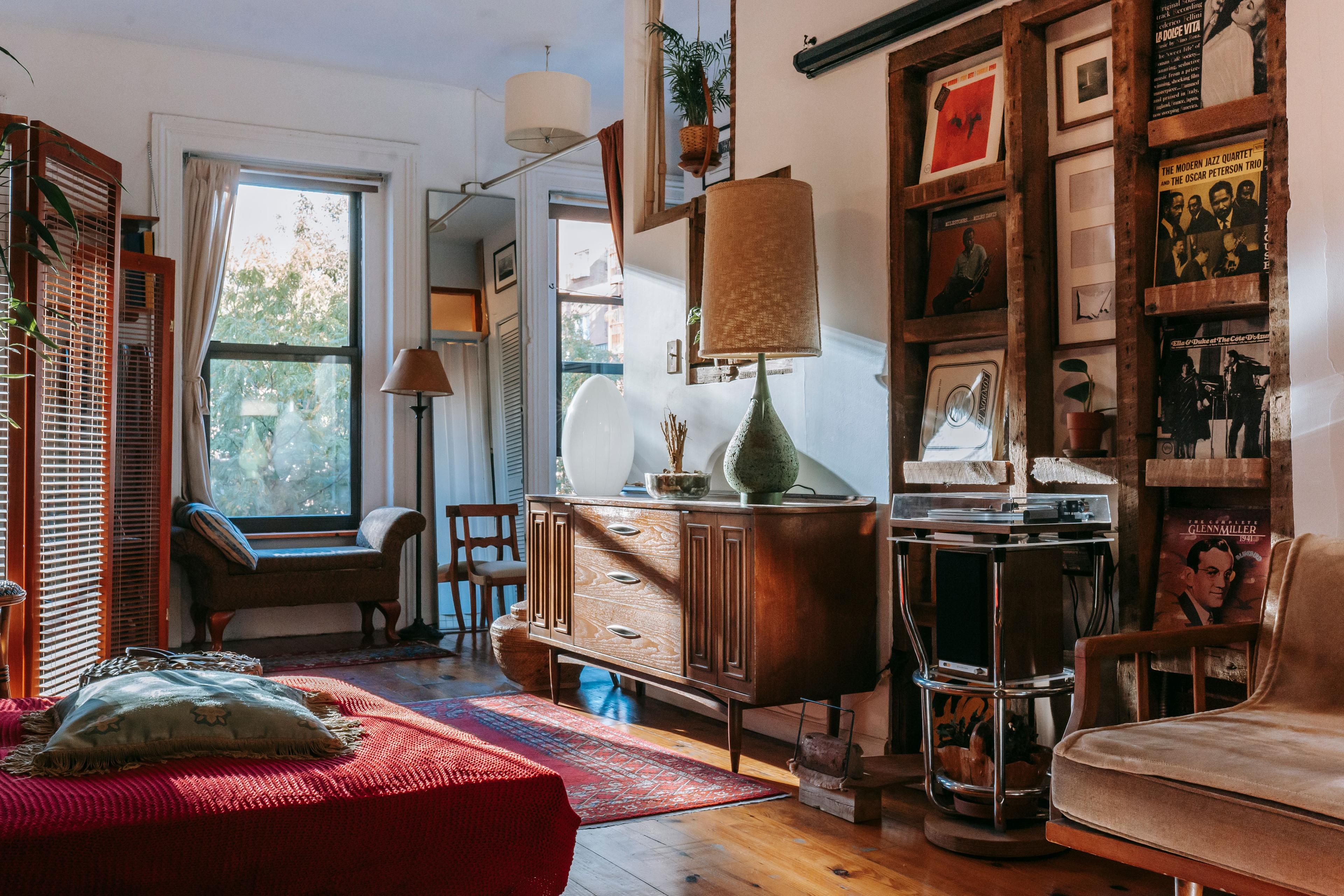
By choosing these pieces, we surround ourselves with objects that have a soul and a story, and adding them into our spaces creates a beautifully and uniquely curated experience.